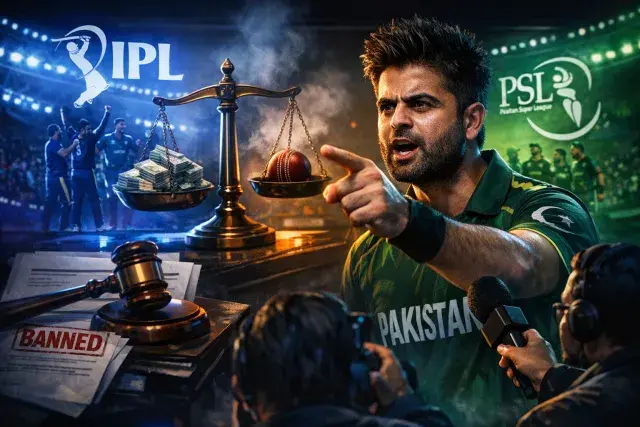

Pakistani cricketer Ahmed Shehzad has sharply criticized fans for drawing parallels between the Indian Premier League and Pakistan Super League amid their clashing schedules. In a pointed response to recent questioning, he highlighted how top international talent prioritizes one over the other, questioning the fairness of resulting bans. His remarks underscore deepening tensions in global cricket scheduling and player choices.
Shehzad's Direct Critique of League Priorities
Shehzad addressed the ongoing debate by stating that only players who have retired from IPL involvement, gone unsold in its auctions, or exhausted their opportunities there remain available for PSL. He emphasized that anyone with a viable option would choose IPL, challenging authorities with the question: "So how many more players you will ban?" This came shortly after Blessing Muzarabani received a two-year suspension from PSL for opting for IPL commitments.
Uneven Enforcement Raises Questions
Shehzad pointed to inconsistencies, noting why players like Spencer Johnson and Dasun Shanaka faced no such penalties despite similar choices. He argued that such comparisons between the leagues inflict more harm than benefit, fueling unnecessary controversy. Journalists pressing PSL participants on these overlaps have amplified the issue, placing Pakistani figures under particular scrutiny.
Broader Challenges in Global Cricket Calendars
IPL holds unmatched global prominence as the leading T20 competition, drawing elite international participants with substantial financial incentives and visibility. PSL's scheduling conflict with it creates dilemmas for boards and participants, particularly as Pakistani organizers grapple with talent retention. This friction reveals structural imbalances in the international cricket ecosystem, where dominant events dictate availability and force reactive measures like bans.
Implications for Future Participation
Shehzad's outburst signals rising frustration over punitive responses to inevitable preferences, potentially deterring neutral talent from future PSL editions. Without calendar realignments, such clashes risk entrenching IPL's preeminence while marginalizing emerging leagues. The episode highlights the need for coordinated international scheduling to sustain competitive balance across borders.